Posted on

The Power of Visibility: Why Being a Visible Leader Matters

          In the realm of leadership, a plethora of attributes and qualities come to mind, such as decisiveness, empathy, and strategic thinking. While these qualities are undoubtedly essential, one aspect that often gets overlooked is the importance of being a visible leader. Just as being a leader in absence affects it negatively, the visibility of a leader within a company has a profound impact on the organization’s culture, morale, and overall success. 

          Leadership is not merely about giving orders or making strategic decisions; it is about setting an example and inspiring others to follow suit. A leader is expected to be the guiding light for their team, demonstrating the way forward with their actions and behaviors. In essence, a leader is not just someone who manages a group of people; they are someone who leads by example and influences the organization’s direction.

          Being a visible leader is about being present and engaged with your team on a regular basis. It’s about more than just showing up physically; it’s also about being emotionally and mentally present. A visible leader establishes trust with their team. When employees see their leader actively participating in the day-to-day operations and challenges, they are more likely to have faith in the leader’s decisions and vision for the company. When employees see their leader actively tackling problems, working alongside them, and demonstrating a strong work ethic, it motivates them to do the same. Team members are more likely to share their thoughts, concerns, and ideas when they know their leader is accessible and approachable. A leader who embodies the values and work ethic they want to see in their team is more likely to permeate the entire organization with those values and work ethic. It shows their team members the importance of maintaining the set standards. This leads to faster problem-solving and prevents small issues from escalating into bigger problems.

          Now, let’s consider the flip side – what happens when a leader is conspicuously absent? When employees rarely see their leader, they may feel disengaged and undervalued. This can lead to lower morale, decreased productivity, and higher turnover rates. An absent leader can result in confusion about the company’s direction. Employees might not know what’s expected of them or where the organization is headed. With limited communication from leadership, employees may feel isolated and disconnected from the broader team. This can lead to misunderstandings and lack of alignment. Absent leaders might miss out on valuable insights and ideas from their team. This can hinder innovation and the company’s ability to adapt to changing circumstances. 

          Leader absence has a detrimental effect on organizational morale, communication, and overall company success. As a leader, it’s crucial to remember that your presence, or lack thereof, significantly shapes the organization’s path and the experiences of those you lead. Being a visible leader is not just an option; it’s a fundamental aspect of effective leadership. It builds trust, fosters open communication, and sets the tone for the company’s culture. So, step out from behind closed doors, be visible, and make a positive impact on your team and company.

Posted on

The Road Less Traveled: Why Taking the Hard Path is Beneficial

It is not an unusual occurrence in this life to find ourselves at a crossroads. We are often faced with choices that can shape our future. While it’s tempting to opt for the easy, well-trodden path, there’s something uniquely rewarding about taking, as the fabled bard put it, the road less traveled.

One of the most compelling reasons to take the hard path is personal growth. When we step out of our comfort zones, tackling challenging endeavors, we push ourselves to adapt, learn, and evolve. These experiences build resilience, making us better equipped to handle future obstacles. Just as a muscle becomes stronger when subjected to resistance, our character and abilities thrive when we face adversity. By navigating the hard path, we develop problem-solving skills, self-discipline, and a deeper understanding of our own strengths and weaknesses. We can also learn to expand upon the depths at which those strengths and weaknesses can be pushed. Taking the hard path helps you develop a strong sense of self. You become more aware of your values, passions, and priorities, leading to a more authentic and meaningful life. As we have often said, there is nothing more tragic than to be a black belt on mats, but a white belt in life! When you overcome obstacles on the hard path, you build character and confidence. You begin to trust yourself and your ability to handle adversity. This newfound self-assuredness can have a ripple effect on other aspects of your life, enabling you to tackle future challenges with a sense of empowerment.

Choosing the road less traveled can leave a lasting legacy. When you embark on a path that challenges the status quo, you have the potential to make a significant impact on the world. Your actions, ideas, and innovations can inspire others to follow in your footsteps, perpetuating a legacy of progress and change. A single person can make a difference. We saw that in our time, in the martial arts circle in November 1993. A new fighting promotion, held in a cage and not a ring, with few rules featured a bunch of fighters from different martial arts disciplines. Yet, Royce Gracie, the smallest of them all, would march on to win the tournament. His entire family, both immediate and extended, took the hard path by literally putting their health and safety on the line by fighting all comers. And it has paid off, not just for them, but for every person that teaches, trains, and learns Gracie Jiu Jitsu. Had they decided to just stay within their comfort zone, the world at large would not have the understanding and knowledge of their incredible art.

Taking the hard path may initially seem daunting, but the long-term benefits are undeniable! It’s a journey that fosters personal growth, innovation, unique experiences, character development, and the potential to leave a lasting legacy. So, the next time you stand at a crossroads, consider the road less traveled. Embrace the challenges, and watch as your life unfolds in ways you never thought possible. Remember the words of Robert Frost: “Two roads diverged in a wood, and I—I took the one less traveled by, and that has made all the difference.”

Posted on

Standing In Base

Getting up from the ground is an important and essential skill for anyone that desires to learn self-defense.  It is a skill that ensures that you can return to the standing position without putting yourself in a worse position. It is a necessary skill to learn, and to continue to work on until it becomes second nature.  And it is an easy skill to ignore!  Check out our video on Standing in Base – Front on Youtube

Or on watch on Rumble

You can view our tutorial on Standing in Base – Rear on Youtube or Standing in Base – Rear on Rumble.

Posted on

Basic/Standard Four

Basic or Standard Four is a staple of Muay Thai training. We teach it in our Beginner’s Program. It is a simple pattern, starting out in a piston-type style, starting with the lead round kick, followed by the cross, the hook, and finishing with the rear round kick. That sequence can be reversed, or begun and ended with the lead or rear round kick. The beauty of the Basic Four series is that the actual movement can be switched out. The round kicks can become knees or front kicks, the punches can be elbows thrown from any angle, or a mix and match of techniques. Check it out on our Youtube page here

or on our Rumble page here

Posted on

The Centurion Holdings, LLC Training Philosophy

Training is an ever changing, ever evolving beast. I started lifting weights as a sophomore in high school in an effort to get stronger for wrestling. I never cared about getting bigger until many years later when a reoccurring knee injury cut my fighting career short. I started with a simple program, 1 body part per day. And we annihilated that body part! Four sets of ten to fifteen reps, if you could get that many, or with my partner spotting for me. Roughly six to eight exercises per body made up the outer shell of that rep scheme. So, for example, Mondays were our leg day. We started with squats, then moved to leg press, followed by hack squats, leg extension, hamstring curls, standing calf raises, seated calf raised, machine calf raises, and then try to finish off with some negative work on the leg press (weight that you had to strain to lower, but your partners pushed up for you). And our mindset, there in my late twenties through my mid-thirties, was that if you could press the weight for eight reps on your own, it was too light! Add more weight! And we pressed some serious weight! I burned through training partners pretty fast. But that kind of intensity and training often leads to injury, exhaustion, and a loss of enthusiasm as time goes by and the body pays its due. And as time progressed, and my body aged, that mindset had to give way to smarter, more efficient training.

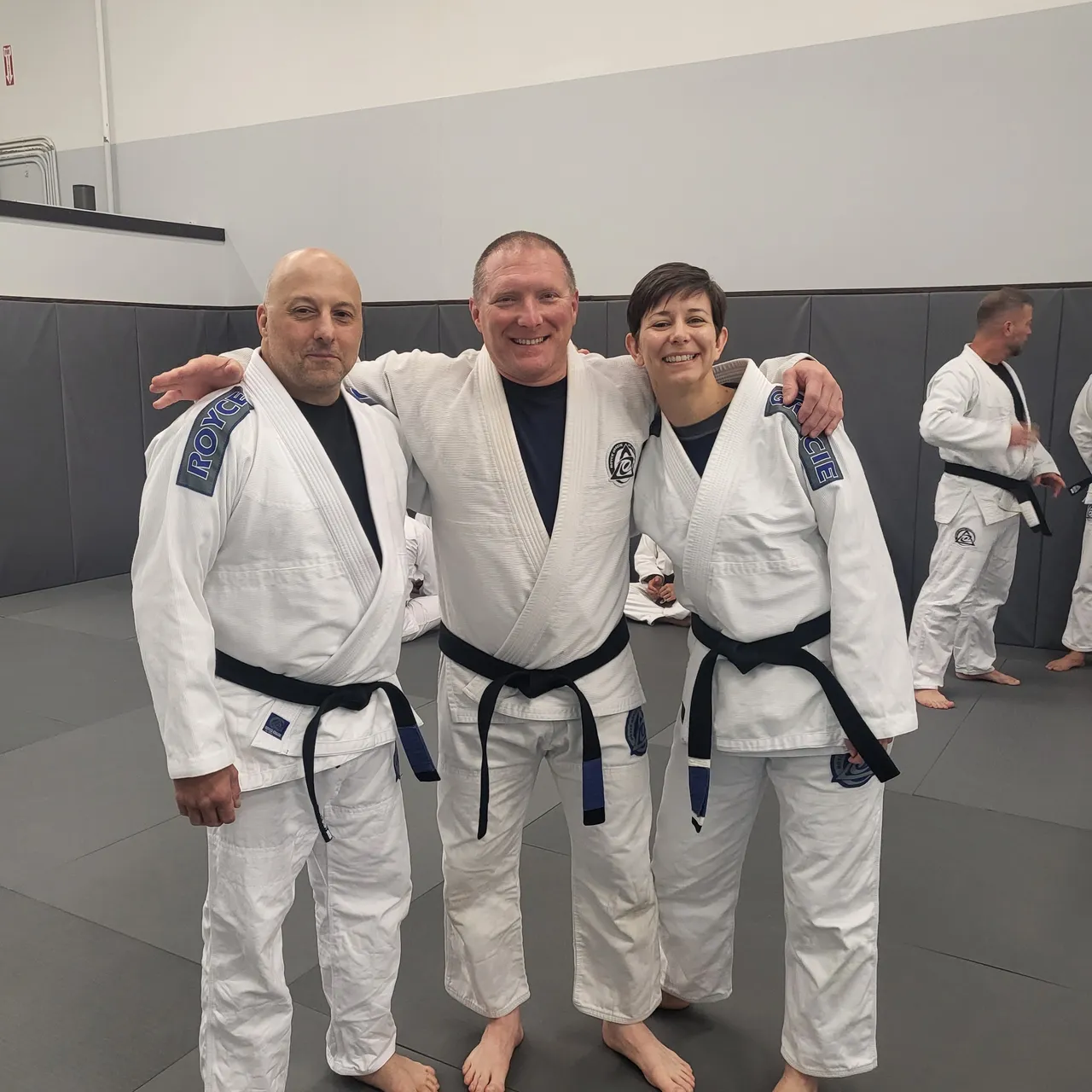
Our philosophy on self-defense is no different. When I started training Brazilian Jiu Jitsu in 1994, my training partners and I had to travel roughly eight hours (round trip) for a single day of training. Blue belts were rare, and considered to be advance, purple, brown, and black belts didn’t exist outside of the Gracie and Machado names for most of the United States. We were still a decade ahead of video platforms like YouTube, and the VHS video tape market became a rich source of information, if you could find a decent copy or Panther Productions had any in stock. And we attacked our training just like we did our lifting. Full tilt, one hundred percent, all the time! We trained hard core, and guys got hurt. Our necks were cranked, elbows popped, ankles sprained, and knees required surgery. And we always came back for more! But just like our lifting, we couldn’t keep training partners. There were about four of us at our core, and we could never seem to add more. When we started teaching (with permission from our instructor, remember that this was a time when black belts were rare) we couldn’t keep a solid student base. We had to figure out how to marry the training with the desired results. So, I got started. And I used my own training as the guinea pig.

In the nearly three-decade long journey since that time, I have discovered that you can train with rabid intensity. For a short time. However, long term training, which is ultimately the goal of a self-defense program, requires a more measured approach. Today, I take new clients through a regimented program that starts with little to no resistance. Then, just like in the weight room, we slowly add that resistance.

Our training philosophy has evolved into a single word. Volume. I believe in training at about seventy percent of your max range. I no longer try to push small cars off my chest while benching, nor attempt to lift elephants off my back in the squat. By working in the seventy percent range, I can perform full body workouts three times per week. That means instead of each body part getting a single work out every week, it gets three. If you look at the math on that, at one time per week, your chest gets four workouts per month. With our volume approach, it gets twelve workouts! I have found that I look better, I feel better, I am no longer plagued by major and minor injuries that require me to stop training for weeks or months on end, and I enjoy training again! And I am not alone! The vast majority of our clients state the same thing!

Our approach to self-defense is the same. Working our sparring in the seventy percent range, at the maximum, not only keeps injuries at bay, but it also keeps it fun, and more importantly, allows you to train more often! For many people, seventy percent of their maximum effort training will give them the best results over a long-term period. Should you wish to participate in competitions, sanctioned fights, etc. then a ramping up to a higher intensity would be required. But even that should be strictly regimented, planned, and scheduled. Personal identifiers such as age, physical restrictions, time constraints, and familial commitments are all obstacles that can be overcome with the right training program and training philosophy. And that’s just the area that we are here to help you in!

Posted on

Nurturing Personal Growth for Self-Defense

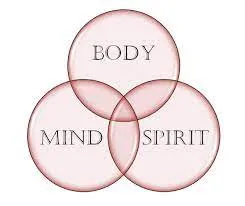
In a world where personal safety is a concern for many, the concept of self-defense often brings to mind physical techniques and strategies to ward off potential threats. While these skills are undoubtedly valuable, it’s essential not to neglect another critical aspect of self-defense: your personal inner growth. The journey towards becoming physically and mentally adept at self-defense is intricately tied to nurturing your personal growth. In this article, we’ll explore the profound connection between self-defense and inner development and why a holistic approach is key to empowering yourself.

Personal growth encompasses emotional intelligence, self-awareness, confidence, resilience, and more. These qualities are not only invaluable in daily life but also crucial in the context of self-defense. Developing a strong sense of self-worth and confidence positively impacts your ability to handle potentially dangerous situations. Confidence isn’t just about appearing self-assured; it’s about believing in your capacity to respond effectively, whether through verbal de-escalation or physical techniques. And just like with self-defense, confidence comes from consistent training. This is not just a mental game, however. Your mind and body work together to aid in building your sense of self-worth and confidence. Physical health is a cornerstone of personal growth. Regular exercise and a balanced diet not only keep you fit but also contribute to a positive self-image and increased vitality.

Emotional intelligence enables you to read situations accurately and respond appropriately. Understanding your emotions and those of others enhances your ability to anticipate potential threats, assess danger levels, and make informed decisions. Personal growth nurtures resilience, teaching you how to bounce back from adversity. In the context of self-defense, this skill allows you to remain composed under pressure, think on your feet, and adapt your strategies based on the evolving situation. Inner growth practices such as mindfulness, meditation, and yoga cultivate a strong mind-body connection. This connection can improve your overall physical coordination, enhance your reaction times, and help you maintain focus during stressful situations. Engage in mindfulness and meditation to cultivate a calm mind, which is invaluable during high-stress situations. These practices also improve your ability to focus and think clearly under pressure. Communication skills are a form of self-defense often overlooked. The ability to defuse tense situations through effective communication can prevent physical altercations. Developing empathy and active listening skills can significantly enhance your verbal de-escalation abilities.

These things do not happen in a vacuum though. Regular self-reflection fosters self-awareness, allowing you to identify areas for improvement and track your progress. Ask yourself what triggers your fear or anxiety, and work on addressing these issues. And it doesn’t stop with doing this once or twice. Embrace a growth mindset by seeking out opportunities for learning and improvement. Attend self-defense classes to acquire practical skills while simultaneously developing mental fortitude. Growth often happens outside your comfort zone. Push yourself to try new things, whether it’s a new self-defense technique or a personal development practice like public speaking.

True self-defense is a comprehensive endeavor that extends beyond physical techniques. By embracing personal inner growth, you equip yourself with a multifaceted toolkit that enhances your overall well-being while empowering you to effectively handle challenging situations. The journey towards self-improvement and self-defense is a lifelong one, but the rewards are immeasurable. Remember, by nurturing your inner self, you’re not only safeguarding your physical safety but also enriching your entire existence.

Posted on

Flexibility and Injury Prevention

Flexibility and Injury Prevention

Flexibility is an essential component of physical health and injury prevention. It refers to the ability of muscles and joints to move through their full range of motion. Maintaining flexibility can help prevent injuries and improve overall physical performance. In this post, we will explore the importance of flexibility and injury prevention.

Flexibility helps to prevent injuries. When muscles and joints are flexible, they are less likely to become strained or pulled. This is because flexible muscles and joints can move more easily, which reduces the risk of overstretching or tearing. When muscles are inflexible, they are more prone to injury during physical activity. A lack of flexibility limits the range of motion of the muscles and joints, making them more vulnerable to sudden movements or awkward positions.

Flexibility can improve physical performance. When muscles and joints are flexible, they can move more freely and with greater ease. This means that athletes and fitness enthusiasts can perform exercises and movements with better form and efficiency. This, in turn, can lead to better results in terms of strength, endurance, and overall physical performance. For example, a runner with flexible leg muscles can take longer strides and run with more speed and agility.

Flexibility can also improve posture and reduce the risk of chronic pain. When muscles and joints are flexible, they can maintain proper alignment and support the body in a healthy posture. This can help prevent chronic pain in areas such as the neck, shoulders, and back. On the other hand, inflexible muscles and joints can cause poor posture, which can lead to chronic pain and discomfort.

From a self-defense perspective, a greater range of flexibility will also aid in preventing injuries from the sudden onset of activity. In this type of situation there is no time to warm up your muscles in preparation for an attack, unless you have a very, very cooperative assailant! Maintaining a certain amount of flexibility will help keep you free from injuries that occur outside of the ambush style assault itself.

To maintain flexibility and prevent injury, it’s important to incorporate stretching and mobility exercises into your fitness routine. Stretching before and after exercise can help warm up muscles and increase flexibility. Incorporating dynamic stretching and foam rolling can also help maintain flexibility and prevent injury. Additionally, staying hydrated and getting enough rest and recovery time is also important for overall physical health and injury prevention.

Flexibility is a crucial, yet often neglected, component of physical health and injury prevention. It can help prevent injuries, improve physical performance, and reduce the risk of chronic pain. Flexibility can also keep you more limber, less injury prone, and better protected during a self-defense situation. Incorporating stretching and mobility exercises into your fitness routine can help maintain flexibility and prevent injury. So, make sure to make flexibility a priority in your fitness journey!

Posted on

The Personal Moral Compass, Part 4 The 3 States of Mind

The Personal Moral Compass, Part 4: The 3 States of Mind

As you may have noticed in the previous installments in this series, your state of mind has a lot to do with your health and well-being, your approach to the curveballs that life can throw at you, and your ability to weather the impending storms that will inevitably come your way. More specifically, in this conclusion of our series, we will look at the 3 States of Mind. These are:

  1. Zanshin
  2. Mushin
  3. Fudoshin

Zanshin is the state of awareness. Unlike many sports where they have a season in which to perform their best, life moves on every day. It is literally a “daily grind” and does not take a break from its constant assault on our senses, our resources, and our abilities. We have to be constantly aware of the threats around us. We have to learn to watch for the inattentive driver who is too busy on their cell phone to see the red light they are running. We have to see the failing business we work for and anticipate its demise, getting out before becoming unexpectedly unemployed, facing serious financial hardship in the process. We have to be aware of the perpetrator that is looking for an easy victim for their next crime. And most importantly, we have to be aware of our own state of mind, to not allow negativity to creep in and take root against us.

Mushin is that state of no mind. For the majority of us, driving is something that we have done for years. You rarely think about pressing the gas, hitting the brakes, or changing lanes. You can probably point to a time when you left home, pulled up at work and do not really remember the actual drive there. It is an action in which you are so well versed in its repetition that you can, and often do, perform it unconsciously. When was the last time that you ate dinner and actually thought about the movements and coordination required to bring your fork from the plate to your mouth without spearing your cheek, nose, or eye? That is the mental state of Mushin. For our purposes, a self-defense situation occurs so quickly that you will not have the time to think your technique through. It has to have been practiced, correctly, so much that you are able to perform without conscious thought. As former Navy SEAL and Linxx Academy of Martial Arts owner, Frank Cucci, one told us, “Practice makes habit”. Self Defense is no different. We have to train, with a realistic mindset and settings to ensure our success.

Fudoshin is the state of emotional balance. We must be vigilant in our mental bell curve to not fall into depression or allow ourselves to get so high on our wins that we misstep and lose control. To keep yourself in the middle of the bell curve is not an easy task. Today’s society seems to worship the overreaction at both ends of the spectrum. The news is full of stories of cities destroying themselves when their home team wins that coveted championship, as well as detailing the tragedy of those returning from a near impossible job performed admirable overseas. We are conditioned at every turn to fall prey to these overreactions. It takes practice and training to keep ourselves in the middle zone for true emotional balance. But that balance is the key to maintaining our Zanshin and Mushin mental states.

Overall, the balance between the Seven Virtues, the Five Keys to Health, and the Three States of Mind are a combination that works well together. And as you may have guessed, my dear reader, are ingredients that make not just a better martial artist, but a better person! The approach of all three elements together will lead you to a better lifestyle, a deeper appreciation of your life and family, and more fulfillment in every aspect of your life. Do not just use them as buzzwords, recited publicly to impress your peers. Study them, learn them, and more importantly, apply them all and see just how far you can really take yourself! You might just be pleasantly surprised by the results!

Posted on

The Personal Moral Compass Part 3, 5 Keys to a Healthy Lifestyle

The Personal Moral Compass, Part 3: The 5

Health and fitness are an essential part of a better lifestyle. Being in better shape contributes to being able to do more each day, spend more quality time with your spouse and kids, and to enjoy more than just going to work and going home. The 5 Keys to Health will help get you on and keep you on that roadway. The 5 Keys to Health are:

  1. Nutrition
  2. Exercise
  3. Rest
  4. Hygiene
  5. Attitude

Nutrition is an important building block of our daily lives. Most do not understand the connection between how good or bad they feel simply based upon what they are consuming. Being rational in our eating choices and avoiding the junk that pretty much makes up most of the basic American diet is the basis for getting and staying healthy. Moderation in portion size, food selection, and frequency are in order for most of us.

While not everyone may want to be the size of Arnold Schwarzenegger in his Mr. Olympia days, a consistent, regimented exercise routine is essential for developing better health and longevity. Whether it is a high intensity style workout, body weight conditioning, toning bands, or free weights, getting a sensible workout that you like, that pushes and motivates you, and that you do consistently will benefit your health needs for years to come.

An often-neglected side of a healthy lifestyle is getting efficient rest. The rest period is where the body fixes the problems it experienced the day before. It recharges your batteries and gives you the energy to move onto the next day’s set of issues. Rest is often ignored, to our detriment. The tricky part is that not everyone needs the same amount of rest. I may require more of it than you do, or vice versa. And rest is not always about sleep and naps. It may also include a scheduled day to relax with little to do, or a planned recreational outing.

While hygiene may seem simple, it may surprise you the number of people who have horrible hygienic habits. Lice, ringworm, staph infections may be obvious signs of a lack of hygiene, but the habits that lead up to that boil down to personal choices. Keeping yourself, your living area, and the clothes you wear clean are essential to proper hygiene. Steps should be taken to ensure that you take every step necessary to avoid the issues that poor hygiene habits bring.

In 1997 Carthage (TX) Police Officer Michelle Jeter stopped a van. It was something that she had done many times in her career, but this day would be different. Officer Jeter was assaulted by the male suspect, punched in the face, knocked down and mounted and again punched repeatedly in her face eight more times while she lay unconscious and unable to defend herself. She should have died, so severe were her injuries. But she not only survived, but she also fought through the injuries to return to active patrol duties later. How did she overcome a potential life-threatening situation? She had a positive mental attitude and a will to live! There is an abundance of stories that you can find about individuals that should not have survived yet did because of their mental fortitude and attitude. Conversely, there are just as many that tell of those who suffered minor injuries yet succumbed to them. The difference is simply that of a positive mental attitude! Keeping a positive mindset takes work, training, and a conscious effort of will, but the benefits of it are remarkable!

Keeping a balance of rational nutrition, sensible exercise, efficient rest, proper hygiene, and a positive attitude may seem to be a lot of work. But the benefits are worth much more than the applied work! And those benefits include a healthier, happier lifestyle that will spill over and affect other aspects of your life as well! In our next installment in this series, we will talk about the 3 States of Mind.