
Posted on

Seeing the Forest, And the Trees

          I had a dream about cooking the turkey for Thanksgiving.  In the dream, everyone was coming to our house.  Our house was way out in the woods.  While waiting for the turkey to cook, everyone went out into the woods.  Many were worried about getting lost and missing the day.  I kept giving everyone directions that led them deeper into the woods.  At the conclusion of the dream, I had a wide view of our property.  Turns out we weren’t that deep into the woods.  There was just one section of the back yard that was forested.  Had any of the guests gone left or right, they would have walked into suburban America.  We are often like that in life.  We look at how we do things, how we have always done them, and we proceed accordingly.  Sometimes we need to take a step back and not just see the forest, but the trees as well.

          We see this a lot in the business world.  “Institutional inbreeding” has led many companies to fall into obscurity, failure, and bankruptcy.  It leads to stagnation.  It can happen in our personal lives as well.  We see a small amount of success, and then just coast along on that tiny bit for years, never pushing the envelope, never looking for that proverbial forest because we already see the trees. 

          As the year 2023 comes towards its end, we all tend to look at what we wanted to accomplish, what we have accomplished and what we hope to achieve for next year.  Make sure that what you are seeing isn’t just a rehash of the past, but a complete, comprehensive look at how you operate, how you achieve your goals, and if those goals are still what you want.  Fix what you can, accept what you cannot and be smart enough to know the difference!

Posted on

CH LLC Building 4 Drill

A misconception of Jiu Jitsu is that it is strictly ground-based.  Every self-defense situation, combative sporting competition, or competitive sparring situation starts on the feet.  As such, true Jiu Jitsu training also starts on the feet.  We include punches and kicks, clinch with takedowns, of course the groundwork, self-defense and philosophy (see our blog posts from June – August 2023 for more on these!).  

One of the drill types we do is our Building 4 drill.  This combines our basic boxing skills with the kicking skills we work on. While not super complicated on it’s surface, Building 4 is about being smooth and efficient in your transitions between the two.  Check it out on out on our Youtube

and Rumble pages!

https://rumble.com/v414jl9-ch-llc-building-4-drill.html

Posted on

High Volume Training

High volume weight lifting training is a popular training method among bodybuilders, powerlifters, and fitness enthusiasts. It involves performing a high number of sets and reps with moderate to heavy weights to build muscle mass, strength, and endurance. In this blog post, we’ll take a closer look at what high volume weight lifting training is, the benefits and risks associated with it, and some tips for incorporating it into your training routine.

High volume weightlifting training is a type of resistance training that involves performing multiple sets of an exercise with a high number of reps. Typically, high volume training involves performing three or more sets of an exercise with 10-20 reps per set. High volume weight lifting training can be performed using a variety of equipment, including barbells, dumbbells, resistance bands, and machines. It can also be performed using bodyweight exercises, such as push-ups and squats.

High volume weightlifting training is an effective way to increase muscle mass. By performing multiple sets and reps with moderate to heavy weights, you can stimulate muscle growth and hypertrophy. It can also improve your strength. By training your muscles to handle heavier weights and higher volumes, you can increase your overall strength and power. You can also see increases and improvement in your muscular endurance. By performing multiple sets and reps, your muscles will be able to work for longer periods without fatigue.

High volume weightlifting training can be a time-efficient way to train. Since you’re performing multiple sets and reps with each exercise, you can work multiple muscle groups in a shorter amount of time.

High Volume training is not without its issues, however.  High volume weightlifting training can increase your risk of overtraining if you don’t allow enough time for recovery between workouts. Overtraining can lead to fatigue, injury, and decreased performance. It can increase your risk of injury if you don’t use proper form and technique. It’s important to work with a qualified trainer or coach to ensure you’re using proper technique and form. High volume weight lifting training can lead to a plateau in your training if you don’t vary your workouts. To avoid plateauing, vary your exercises, sets, and reps regularly.

            So how can we integrate high volume weightlifting training into our routine? If you’re new to high volume weightlifting training, it’s important to start slow and gradually increase your volume over time. Start with little or no weight for each workout and gradually add more as you become comfortable. Proper technique and form are essential when performing high volume weightlifting training. Work with a qualified trainer or coach to ensure you’re using proper technique and form. To avoid plateauing, it’s important to vary your exercises, sets, and reps regularly. Incorporate different exercises and rep ranges into your training to keep your muscles guessing.  Recovery is essential when performing high volume weight lifting training. Allow enough time between workouts for your muscles to recover and grow.

High volume weightlifting training can be an effective way to build muscle mass, strength, and endurance. However, it’s important to use proper form and technique, vary your workouts, and allow for recovery between workouts. If you’re new to high volume weight lifting training, start slow and gradually increase your volume over time. Work with a qualified trainer or coach to ensure you’re using proper technique and form.

Posted on

Mount Escapes

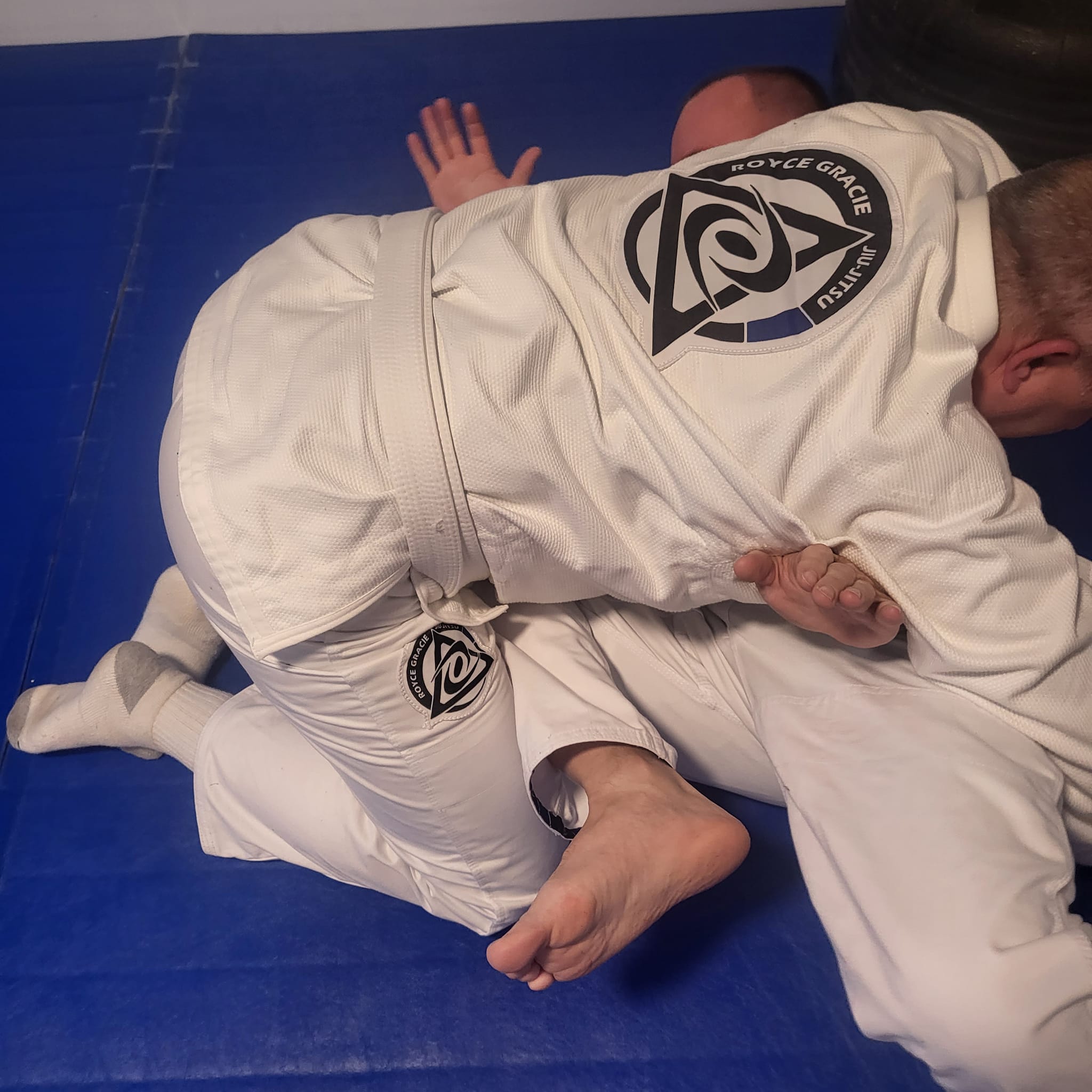
Getting trapped on the bottom while defending oneself is a common issue, especially when the attacker is bigger and stronger than you.  Learning to escape takes technique, patience, training, and graduated resistance in order to work when you need it. In this week’s video we explore a few of the techniques that you can use to escape from the Mounted Position.  Check it out on our YouTube channel and our Rumble channel.

Or on our Rumble Channnel

https://rumble.com/v3ygal1-ch-llc-mount-escapes.html

Posted on

The Essence of Jiu Jitsu And Self Defense

Several years ago, I started having pain in my hip.  It would ebb and flow, come and go, and was generally more annoying than anything else.  At least for a bit.  Then it started hurting more often, and not with a nagging, irritating type of pain, but a genuine, screaming from the body telling me, “something isn’t right here boss, go get it looked at” kinda pain.  And of course, I didn’t listen. When I finally reached a point that I didn’t have an option but to seek medical aid, I found out that it required surgery.  And not a simple one.  I needed a full hip replacement. Approximately a month before the surgery, my doctor pulled me off all pain meds, stopped my working out, and prohibited my Muay Thai and Jiu Jitsu training.  He was worried that I would stumble onto an injury that could stall the surgery and push it to a later date.  So, on my last night that I could train, I couldn’t move well at all.  But I wasn’t going to miss that last training session!  Should the surgery not go well, I may never get to train again.  I decided to simply focus on my defense, and that was all.  I didn’t need to be top dog, I just needed to survive to the end.  And I had one of the best nights of Jiu Jitsu in many, many years! 

            You see I have forgotten one of the basic tenets, the very foundation of Jiu Jitsu.  And that my dear friends, is that at its core, Jiu Jitsu is about defense!  By focusing on nothing but my defense, I was making my partners make mistakes that I was able to capitalize on.  I think I hit more sweeps and subs that night than I had in a long time!  As I was changing to go home, I was uncharacteristically quite, reflecting on what had happened, why I had such a great training session, and why I had surpassed my goal of simple survival.  And it all came down to self-defense!

            Training to defend ourselves is one of the reasons most people start any martial art.  The ability to respond to a situation and come out on the other side of it alive, is a skill that most people have let fall by the proverbial wayside.  We are often lulled into a false sense of security by the ease and comfort that most of us enjoy.  And we allow that defense to slip.  I don’t care if you are training Jiu Jitsu, Karate, Kung Fu or any other of the myriad of martial arts out there, almost all of them start with some form of defense.  From learning proper base, stance, footwork, and self-defense situational techniques, they all have some form of defense in there.  And that was the lesson that I re-learned that night!

            Self defense is not paranoia.  Sure, it can be carried too far on the personal level, where you don’t leave the house, have barricades and booby traps everywhere. But very few of us will fall into that trap.  Being vigilant, aware of your surroundings, the people around you, the mood of the room when you walk in, and catching the out of place people, places, or things before they become an issue is that defense I am talking about.  We all do it when we drive, watching out for that other driver that is going too fast, cutting us off or looking at their cell phone and not the roadway.  We have simply forgotten that the true essence of self-defense, of the Jiu Jitsu that I teach, is that one word, defense.  And it is past time that we add it back into our training!

Posted on

Situational Awareness: Staying Alert and Safe

Situational awareness is a critical skill that extends beyond military or emergency response contexts. It’s a valuable trait for personal safety, professional success, and overall well-being. The concept of situational awareness is one that in recent years has begun to slip into the past. In today’s app-driven technological world, our attention span has been shortened to just a few seconds of a video before our brain cries out to move on. Situational awareness refers to the ability to perceive, comprehend, and anticipate events and developments in your environment. It involves paying attention to your surroundings, understanding the context, and making informed decisions based on the information available. Whether you’re navigating a crowded city, participating in a business meeting, or enjoying a social gathering, situational awareness can help you make better choices, react to unexpected events, and ensure your safety. Situational awareness enables you to make informed decisions quickly, whether it’s in a personal or professional setting.

Being aware of your environment can help you identify potential risks or dangers, allowing you to take action to avoid them. When you feel more in control of yourself and your surroundings, you can reduce anxiety and stress, making you more relaxed and focused. It allows you to be more attentive to the people around you, enhancing your interpersonal relationships, as you can better understand their needs and emotions. In today’s cell phone driven world, that often means unplugging from your distraction device and actually paying attention to what is going on around you. It’s easy to get lost in the digital realm. When you’re in a situation that requires awareness, put away your devices and limit distractions. If you practice defensive driving and pay attention to those around you on the road, you will notice a staggering amount of “drivers” who are looking at their cell phone while traveling! It will be a terrifying discovery when you realize just how many of your fellow road sharers aren’t actually watching the road! Disconnecting from our social media may not be a popular idea, but it is necessary to maintain awareness of what is going on around you. And that may require you to use all of your senses. Don’t rely solely on your vision. Pay attention to what you hear, smell, and even feel. Different senses can provide valuable information about your environment. You need to be aware of and constantly scan your environment. Continuously scan your surroundings, looking for anything unusual or out of place. Looking for someone that is unnecessarily nervous, wearing clothing that is out of place, or paying too much attention to you or someone else. Identifying someone as a potential threat will help you gain an advantage in dealing with a potential situation before it even begins. This habit can help you identify potential threats or opportunities and react before you become a victim. Removing yourself from an area that has indicators of a potential crisis occurring before it does so will keep you and your family safe.

Know where you are at the moment. Before entering a new environment, take a moment to plan your approach. Consider potential exit routes, safe spaces, and any other critical information that might be useful. Look for danger areas that do not allow you an avenue of escape, know the difference between cover and concealment and what types of material in your general area can offer one or both. Staying updated on current events, local news, and any relevant information about the area you are in is important. This will help you understand the broader context of your surroundings.

Trust your gut! Intuition is a powerful tool for situational awareness. When the small hairs on the back of your neck stand up, and your internal warning system (which we all have, whether it’s well-developed or not) starts to scream, you need to pay attention! If something doesn’t feel right, it probably isn’t! Listen to your instincts and take appropriate action. When engaging in conversations, actively listen to what others are saying and pay attention to non-verbal cues. This will help you understand people’s intentions and emotions. Listening to the conversations happening around you can give you pre-contact cues to a potential issue. If the people at the table next to you are having a contentious conversation and their tone, pitch and demeanors are starting to become aggressive, you can remove yourself from the area before it explodes on top of you.

Staying calm under pressure is a learned, trained, and necessary skill. In high-stress situations, it’s essential to stay calm. Panicking can cloud your judgment and diminish your situational awareness. You should constantly be “wargaming” your surroundings, just like you do when driving. Taking a class that offers simulation training with well-trained role players, defined goals and outcomes, and qualified instructors will help you in learning to stay calm under pressure. When you’re headed to work and you see that car about to pull out in front of you, you are already formulating a response plan of hitting the brakes, smashing the horn, and extending that specific finger that signals your irritation to the inattentive driver. Thinking to yourself that “if this person cuts off my line of direction and approaches me, I can move to this spot, that spot, or retreat to where I was”, is not paranoia, it’s preparedness. Situational awareness isn’t just about observation; it’s also about adaptation. Be prepared to adjust your actions based on the information you gather. That could mean an escalation of escape, use of necessary force, or a de-escalation through leaving the area, use of verbal skills, or other means. Situational awareness is a skill that can be developed and honed over time. It is not a superpower but a conscious effort to stay present and alert in your surroundings. Whether you’re in a business meeting, walking down the street, or even driving your car, maintaining situational awareness can enhance your safety, decision-making abilities, and overall quality of life. So, start practicing these tips today, and watch as your situational awareness becomes a valuable asset in various aspects of your life.

Posted on

The Power of Visibility: Why Being a Visible Leader Matters

          In the realm of leadership, a plethora of attributes and qualities come to mind, such as decisiveness, empathy, and strategic thinking. While these qualities are undoubtedly essential, one aspect that often gets overlooked is the importance of being a visible leader. Just as being a leader in absence affects it negatively, the visibility of a leader within a company has a profound impact on the organization’s culture, morale, and overall success. 

          Leadership is not merely about giving orders or making strategic decisions; it is about setting an example and inspiring others to follow suit. A leader is expected to be the guiding light for their team, demonstrating the way forward with their actions and behaviors. In essence, a leader is not just someone who manages a group of people; they are someone who leads by example and influences the organization’s direction.

          Being a visible leader is about being present and engaged with your team on a regular basis. It’s about more than just showing up physically; it’s also about being emotionally and mentally present. A visible leader establishes trust with their team. When employees see their leader actively participating in the day-to-day operations and challenges, they are more likely to have faith in the leader’s decisions and vision for the company. When employees see their leader actively tackling problems, working alongside them, and demonstrating a strong work ethic, it motivates them to do the same. Team members are more likely to share their thoughts, concerns, and ideas when they know their leader is accessible and approachable. A leader who embodies the values and work ethic they want to see in their team is more likely to permeate the entire organization with those values and work ethic. It shows their team members the importance of maintaining the set standards. This leads to faster problem-solving and prevents small issues from escalating into bigger problems.

          Now, let’s consider the flip side – what happens when a leader is conspicuously absent? When employees rarely see their leader, they may feel disengaged and undervalued. This can lead to lower morale, decreased productivity, and higher turnover rates. An absent leader can result in confusion about the company’s direction. Employees might not know what’s expected of them or where the organization is headed. With limited communication from leadership, employees may feel isolated and disconnected from the broader team. This can lead to misunderstandings and lack of alignment. Absent leaders might miss out on valuable insights and ideas from their team. This can hinder innovation and the company’s ability to adapt to changing circumstances. 

          Leader absence has a detrimental effect on organizational morale, communication, and overall company success. As a leader, it’s crucial to remember that your presence, or lack thereof, significantly shapes the organization’s path and the experiences of those you lead. Being a visible leader is not just an option; it’s a fundamental aspect of effective leadership. It builds trust, fosters open communication, and sets the tone for the company’s culture. So, step out from behind closed doors, be visible, and make a positive impact on your team and company.