
Self defense is a hydra. It is a multi-faceted creature that takes stamina, physical skills, mental stability, and spiritual wellbeing. A good beginning is learning solid self-defense. This takes a bit of homework before you begin. Research what is available in your area. You must also evaluate the culture of the school, the effectiveness of the techniques being taught, and most importantly, the background of the instructors. And you must vet your instructors well. The advent of the Internet has made it harder for martial arts charlatans to operate, but there are still many people out there who are not legitimate coaches in the arts they portray. They do not have to be world champions, but the instructor you choose should have several years of experience in the arts they are teaching.
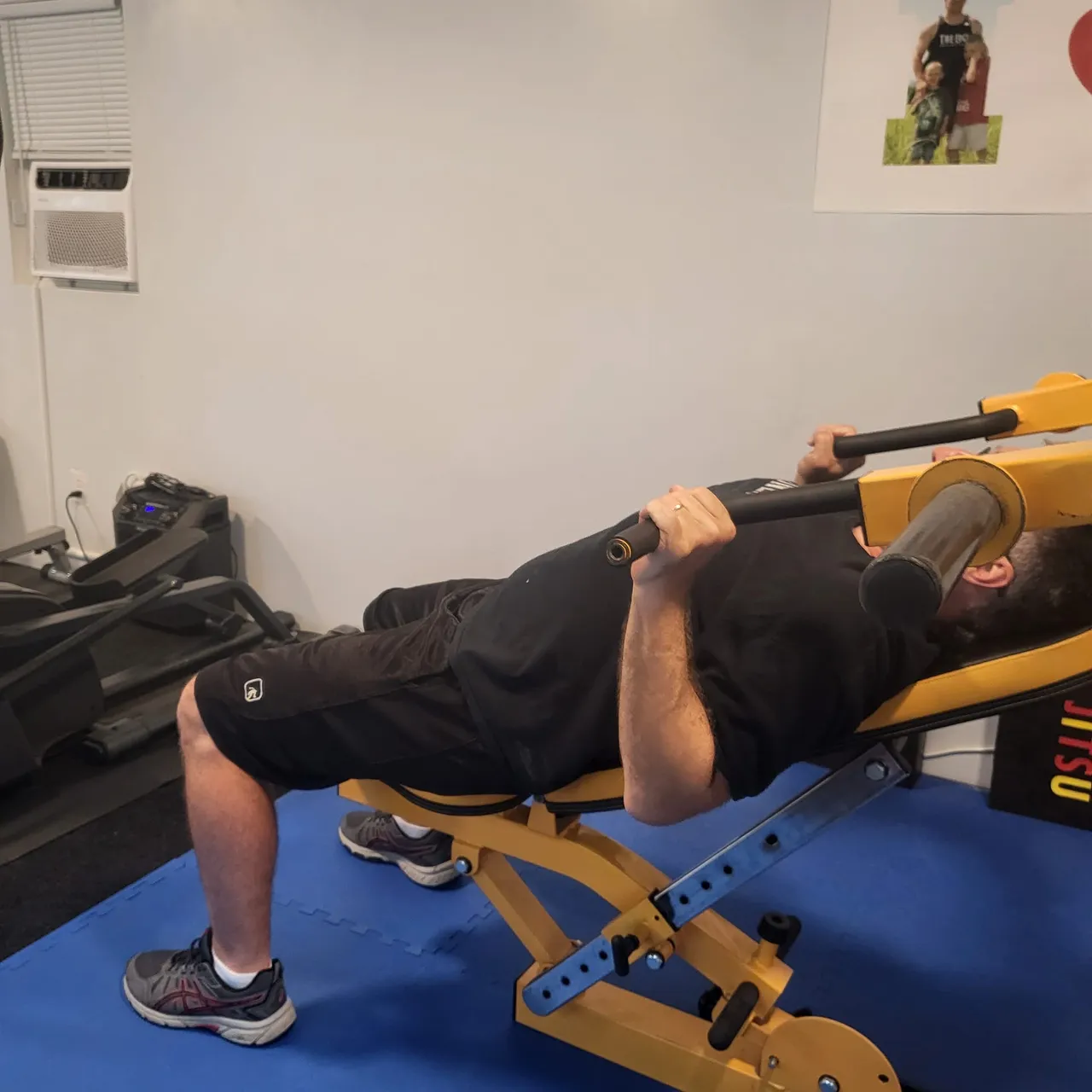
A balanced fitness routine that includes resistance training, cardiovascular and endurance exercises, and full-body performance-based work. This is necessary for the advancement of your physical development. This is not to be confused with looking good on the beach. A solid resistance training regimen will keep your body in shape, keeping your body healthy as you age, and strengthening your skeletal and nervous systems. It does not require hours and hours in the gym, but it does take a little time every day. Dedicating less time to the television and a few twenty- or thirty-minute session per week on your bodily work goes a long way towards enhancing your self defense skills.
Taking a credentialed first responder course can give you specific knowledge on fixing not just strains and sprains, but also splinting broken bones, using a tourniquet, and applying an occlusive dressing. Learning some basic first aid skills does not require Paramedic certification but learning some combat lifesaving skills is an often overlooked, yet necessary part of your overall self defense skill needs. Learning skills of how to stabilize a person that is bleeding, has been shot, or taken a nasty fall, and then knowing ways to move that person through a variety of single or multiple person lifts, carries and a variety of improvised and hasty litters is required to keep yourself and your party moving forward. There are a couple of these courses online that are excellent training, but again, do a little homework and vet them well.
You must also develop at least a rudimentary understanding of the implementation and use of projectile weaponry. Whether you like them or not, the knowledge of how to use, and defend against firearms is necessary. You cannot defend yourself against something you do not know, have not seen or have not dealt with. But again, the vetting of instructors is very important for this! There are many, many charlatans in the tactical training industry, and they can be harder to find and work through than the martial arts ones!
Another aspect of a balanced self defense routine is the development of mindset. The first item up for deletion is that of Rambo. You cannot be a one-man army. You will find it easier to train with a group. It does not have to be a large number of people, but as the old saying goes, “the more, the merrier”! A few training partners will keep you interested, get you out of bed on those wet, cold mornings and push you to be better than you were yesterday. They will push you, as you push them, making everyone better. This will help enhance your mindset. You do not have to rise to the level of a Navy SEAL, Ranger, Green Beret, or Force Recon, but your training, in whole and in part should make you uncomfortable. Getting comfortable in an uncomfortable position is pivotal to building mental strength. Just like your muscles need resistance training to grow, so does your mental fitness and acuity. Facing adversity aids in growing a proverbial backbone and that all important quality of “heart”. The working out, running, rowing, rucking, hiking, sparring, and taking of classes are all excellent ways to enhance your skills. This pushing of yourself will not only train your body, heart, and mind, it will also boost your self-confidence. It will build that internal mettle and make not only the physical heart, but the specific quality of “heart” that keeps you going long after the body begs to quit.
Self defense is not just taking a class, training a few techniques, or enrolling in your local Muay Thai, Krav Maga, Jiu Jitsu or MMA class. A full-scale self-defense routine includes these things, as well as a certain level of fitness, a rudimentary knowledge of first aid, a working knowledge of projectile weaponry, and the development of a specific, “can do, will do” mindset.