Posted on

Personal Moral Compass – Part 2 = Virtues

The Personal Moral Compass, Part 2: The 7

In part one of this series, we talked about the need for a personal moral compass. Without this important part of our own ethical decision-making process, we could not function as an organized society. If we did not have this framework, anarchy would reign supreme. What follows is the basis for our own personal moral code, one that we think all people can work within, regardless of their religion, culture, or creed. The 7 5 3 Code, in its current iteration as we use it, was developed by the Valente Brothers in Maimi, Florida. There are 7 Codes of Virtue, 5 Keys to Health, and 3 States of Mind. It is based on the Bushido Code taken from ancient Japanese cultures, but it’s tenets are no less necessary nor less important in our world today. For this blog’s purpose, we will focus on the 7 Virtues.

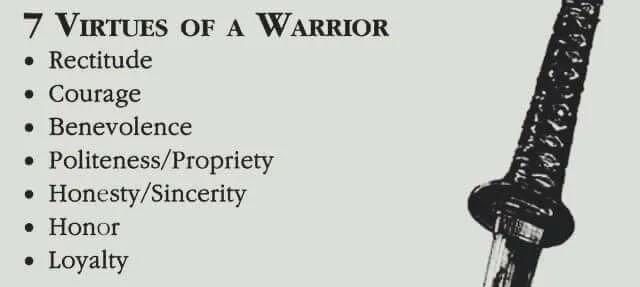
The basis of the 7 5 3 Code is the 7. These are the 7 Virtues. In a nutshell, they are:

  1. Rectitude
  2. Courage
  3. Benevolence
  4. Politeness
  5. Honesty
  6. Honor
  7. Loyalty

At its very beginning the Code starts off with Rectitude. We define this as doing what is right without regard for the consequences. In today’s society, we are often attacked, canceled, or outright ridiculed for doing the right thing. But in order to be true to ourselves, and to be the best role model that we can, doing what is right is imperative. If you do not start with integrity, the rest is simply lip service.

We follow that with Courage, the inner strength to resist opposition. Notice that it doesn’t say the absence of fear? As ol’ John Wayne once said, “Courage is being scared to death, but saddling up anyway”. Many soldiers, fireman, and police officers will tell you that they went through extremely tense and frightening situations that may have scared them to their very core, but they had to do so because they were the one only ones available at the time to do what was necessary.

Benevolence is the disposition to be good. This is a conscious choice that we have to make, not just daily, but several times a day. The temptation to give in to wrong desires, the “easy road” to riches, or to slip in our personal vows to another is an easy one, but it takes an effort to resist it.

Politeness is showing proper courtesy and respect to others. “Treat everyone like a gentleman, not because they are, but because you are.” (Ed Sabol) The old saying about getting better results with honey than with vinegar is one that often holds true. Treating others with politeness only costs you pennies, but the return is measured in hundred-dollar bills!

Honesty starts with genuine integrity and character in your actions. As was stated in part 1, it does you no good to be a black belt in martial arts, and a white belt in life. A lack of basic honesty, not just with others, but within yourself only lays a foundation of sand. And as the parable goes, when the storms come, that house gets washed away.

Honor. This is one we hear of in the martial arts world from day one. Yet we often see a lack of the ethical conduct that this simple word portrays within that community. Bad seeds are in every profession, strive to ensure that you are not one of them!

Loyalty is the faithfulness and allegiance that we maintain between each other. While we may move on from a situation, work moves us to another location, or family issues cause us to train at another location, we can still be loyal to those we hold our fellowship with. And loyalty is a two-way street! It must flow both ways for it to work.

Knowing these 7 Virtues is a good start. However, like many things in this life, they are useless without application. If you hold yourself accountable to a higher standard, you will often find that those with whom you spend the most time will do the same. Study these 7 Virtues, apply them to the situations within your life, and you will experience a better lifestyle! Next time we will explore the 5 Keys to Health!

Posted on

The Personal Moral Compass, Part 1

The Personal Moral Compass, Part 1

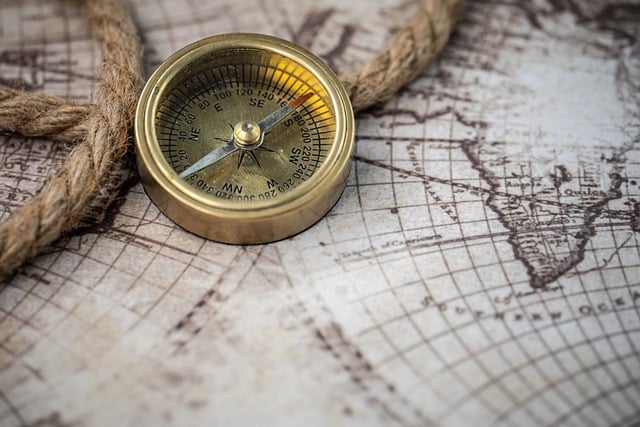
In a world where values and ethics seem to be constantly shifting, it becomes crucial to have a personal moral compass to guide us through life’s complexities. Our personal moral compass is like a steadfast North Star, providing us with a sense of direction and helping us make ethical decisions in both our personal and professional lives. It acts as a moral framework, shaping our character, influencing our actions, and ultimately, defining who we are as individuals. We in the martial arts have stressed the value of a personal moral compass for many years. As we have told our students, “There is no greater tragedy than to be a black belt on the training floor and a white belt in life!”

What is a Personal Moral Compass?

A personal moral compass is a set of principles and values that we hold dear and use as a guide in our decision-making process. It encompasses our beliefs about what is right and wrong, just and unjust, fair and unfair. It is deeply rooted in our conscience and shapes our behavior and interactions with others. While our personal moral compass is influenced by various factors, including cultural, religious, and societal norms, it is ultimately a reflection of our own individual beliefs and convictions.

The Importance of Having a Personal Moral Compass

Life is full of choices, and many of them are accompanied by ethical dilemmas. Our personal moral compass helps us navigate through these dilemmas by providing a framework to evaluate and make ethical decisions. It guides us in choosing the right path when faced with moral challenges, even when it may be difficult or unpopular.

Having a personal moral compass promotes consistency and integrity in our actions. It ensures that we act in accordance with our values and principles, even when faced with temptations or pressures to compromise. This consistency builds trust and credibility with others, enhancing our relationships and reputation.

Developing and refining our personal moral compass requires introspection and self-reflection. It encourages us to explore our values, examine our beliefs, and understand our own motivations. This process of self-discovery fosters personal growth and self-awareness, helping us become better individuals and contributing members of society.

Our personal moral compass influences how we interact with others, shaping our behavior and the quality of our relationships. It guides us in treating others with respect, fairness, and compassion, fostering healthier and more fulfilling connections.

When we have a clear sense of our values and principles, we can actively contribute to making a positive impact in the world. Our personal moral compass empowers us to stand up for justice, advocate for the vulnerable, and work towards creating a more ethical and equitable society.

Cultivating and Refining Your Personal Moral Compass

Take time to reflect on your values, beliefs, and the principles that matter most to you. Consider what you stand for and what kind of person you aspire to be. Honestly with yourself is essential, and not always the easiest thing to accomplish.

Engage in reading, conversations, and activities that broaden your understanding of ethical issues and different perspectives. Continually educate yourself to enhance your moral reasoning. A mentor is extremely important for this!

Cultivate empathy and compassion towards others, putting yourself in their shoes and considering the impact of your actions on their well-being.

Surround yourself with individuals who embody the values you admire and respect. Seek their guidance and feedback on ethical matters to gain insights and broaden your perspective. Having a friend and mentor that have walked that road before you are invaluable tools with which to learn, grow, and refine your personal and professional growth.

Regularly evaluate your past decisions and actions, considering whether they align with your personal moral compass. Use these reflections as learning opportunities to refine and strengthen your ethical framework. Often, we can see things clearer when they are in our rearview, and upon reflection, see where we could have done it better.

Conclusion

In a world where moral standards can be ambiguous and dynamic, having a personal moral compass becomes essential. It guides us in making ethical decisions, ensures consistency and integrity, fosters personal growth, and enables us to become better members of our society, better ambassadors for our martial arts communities, and better members of our families. In Part 2, we will begin our discussion on the 7 5 3 Code, which is a vital part of our teaching and personal moral compass roots.

Posted on

The Folly of The Way!

The Folly of “The Way”

A popular sci-fi series show that is currently on streaming services features a set of characters that are fond of stating “this is the way,” when asked about certain aspects of their customs. But never removing your headgear really does not make sense to those of us that enjoy sun on our face and wind through our hair.

In the world of fitness and self-defense, there is often a common misconception that there is only one way to achieve your goals. Whether it is gaining muscle, losing weight, or learning self-defense techniques, many people believe that there is a single formula that is guaranteed to work for everyone. This belief in “The Way” is a dangerous fallacy that can lead to frustration, injury, and failure.

The problem with this belief is that it ignores the fact that human bodies are complex and unique. What works for one person may not work for another, and what is effective in one situation may not be effective in another. The idea of “The Way” implies that there is a single, correct way to move, lift, or strike, when in reality there are numerous variations and nuances that can make a significant difference in the outcome.

In fitness, the folly of “The Way” can lead to injury, burnout, and frustration. For example, someone who believes that the only way to build muscle is through heavy lifting may push themselves too hard and risk injury. I spent many years believing that if I could perform eight reps with a weight, it was too light, and I required more. And my joints paid the price for it! I hurt constantly for years! If you believe that the only way to lose weight is through running or treadmills, you may neglect a host of other important drills and techniques that can aid and improve your cardio.

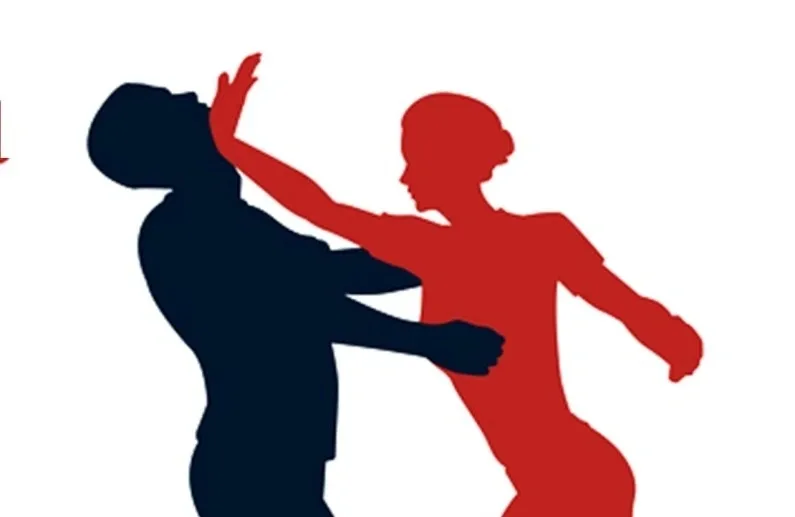
In self-defense, the folly of “The Way” can be even more dangerous. Someone who believes that there is only one way to defend themselves may be unprepared for unexpected situations and may be vulnerable to attackers who use different techniques or weapons. This belief can lead to a false sense of security that can be shattered in a real-life confrontation. This can be especially dangerous if you are confronted with something that you have never seen or experienced before.

Instead of embracing the idea of “The Way,” we should recognize the importance of individualization and adaptation. Fitness and self-defense should be approached as a process of discovery, experimentation, and self-improvement. By recognizing that there are several ways to achieve our goals and by being open to trying innovative approaches, we can create a more holistic and effective practice that considers our unique needs, abilities, and limitations. It is human nature to want to stick with something that worked for you, and to an extent there is nothing wrong with that. But sticking to “The Way” to the detriment of your own advancement will lead to plateaus, injury, and a general loss of excitement, all of which can stall or even kill your training.

The folly of “The Way” lies in its assumption that there is a single, correct way to achieve our goals in fitness and self-defense. Instead of embracing this fallacy, we should recognize the importance of individualization and adaptation. By being open to trying novel approaches and recognizing our unique needs, abilities, and limitations, we can create a more effective and holistic practice that leads to greater success and fulfillment.

Posted on

Variety, The Spice of Life!

Variety, The Spice of Life!

Fitness and self-defense are two crucial aspects of the martial arts lifestyle. Both require consistent training and practice to develop the necessary skills and strength. However, it is important to note that incorporating variety in your fitness and self-defense training is essential for optimal results. Some of the reasons why variety in fitness and self-defense training is important:

Prevents boredom: Doing the same workouts and techniques repeatedly can become monotonous and lead to stagnation. This can cause you to lose motivation and interest in your training. Incorporating a variety of exercises and techniques can make your training more exciting and enjoyable.

Reduces the risk of injury: Repetitive use of the same muscles and joints increases the risk of overuse injuries. Adding variety to your training routine can help prevent overuse injuries by reducing the repetitive strain on specific muscle groups and joints.

Improves overall fitness: Incorporating a variety of exercises in your fitness routine help you develop different aspects of fitness, such as cardiovascular endurance, strength, flexibility, and balance. This can lead to overall improvement in your fitness level and reduce the risk of plateauing. It can also lead to more enjoyment of your leisure activities as you will have more energy.

Develops a well-rounded skill set: Self-defense techniques are not one-size-fits-all. Different situations may require different techniques, and it is important to have a well-rounded skill set to effectively defend yourself. Incorporating a variety of self-defense techniques in your training can help you develop a comprehensive set of skills to defend yourself in different situations.

Keeps the mind engaged: Variety in training keeps the mind engaged and can help improve cognitive function. Learning new techniques and movements requires focus and concentration, which can improve brain function and prevent cognitive decline.

Incorporating variety in fitness and self-defense training is essential for optimal results. It not only prevents boredom but also reduces the risk of injury, improves overall fitness, develops a well-rounded skill set, and keeps the mind engaged. So, if you want to maximize the benefits of your training, be sure to mix it up and try new exercises and techniques.

Posted on

The Three Partners!

Many years ago, I had what was probably the best lifting partner ever! I had burned through several, and because of my “heavier is better” mindset, I had a hard time keeping a workout partner for more than a few months. This particular guy matched me in just about every way physically, mentally he was even more intense. But he had a wealth and depth of knowledge that blew mine out of the water. We were close in numbers on many of our lifts. I would slightly edge him out on pushing exercises, while he excelled in legs and all the pulling workouts. We pushed each other hard in the gym and both of us saw some of our best gains ever. And I learned a valuable lesson that I was able to apply, not just to my weight training, but to every other facet of my life. Having a partner that can push you is vital to moving forward in life!

For most endeavors, having a partner to aid and assist you while you work increases your productivity. Self-defense training is no different. While you can shadowbox, hit the heavy bag, run, and so on and so forth, it is much more productive, enables faster learning, and gives you a shorter learning curve when you have a partner that can push you. A good training partner can see the small mistakes you are making, give you feedback that you would otherwise miss and provide a competitive atmosphere in a healthy and positive way. And it is my belief that there are three types of training partner required for that to occur.

The first type of training partner is one that has no business training with you. This Type 1 training partner may be new, or just significantly behind your personal training curve. Training with this person allows you to work on specific aspects of your training. You can work on an armbar from a specific position, a specific striking response to an attack, defense of chokes, armbars or escapes. Training with this type of partner allows you to work on specifics for a myriad of defensive possibilities. It also provides you the ability to do so with a living, breathing, and thinking opponent while working on that specific defense or attack. However, Type 1 partners should not be your only skill training partners. That leads to arrogance and a lack of understanding in your own flaws and errors in your abilities.

The second type of training partner is one that is at or near your own skill level. Training with a Type 2 partner who can push you without destroying you allows you to integrate the skills learned while training with a partner of the Type 1 variety. You can work while still being pushed at a competitive level. Competition isn’t a bad thing if used correctly. And a Type 2 partner should be capable of pushing you, yet you should be learning to recognize the opportunities that they are presenting and when and how to apply your techniques with timing and control. This type of partner is essential to your training as this what pushes you to become better. Knowing that working with a Type 2 training partner is a competitive environment, training must be tailored to ensure the best results for both. Some days should be an all-out competitive training session where both of you are working. Some days should be more restrictive and incorporate flow work, or training to work from or through specific areas. This allows both you and your Type 2 training partner to advance and get better, making the proverbial iron sharpen iron training environment.

The third partner is one that you have no business training with. Type 3 partners should be so far ahead of you, that you are their Type 1 training partner! This is important for not only containing your own ego, but it shows you where the mistakes and holes in your game are. Type 3 training partners will push you more and more, as you learn to see where you are lacking, allowing you to make better gains. Once those lessons are applied when working with Type 1 partners, you can enhance your own training to higher levels. That in turn makes your training with the Type 2 partner better, and so on and so forth.

Working with all three types of training partners is an essential part of taking your personal self-defense training to higher levels. It doesn’t matter if your training stand up self-defense, clinch training, grappling, handheld weapons, or projectile weapons training, the Type 1, Type 2, and Type 3 training partners will push you to rise up to a higher level! Utilizing all three types of training partners is the best way to make gains and track their progress. Give it a try, and I promise you will notice the difference!

Posted on

Priorities Change: Staying Mentally Flexible

Priorities Change: Staying Mentally Flexible

Self-defense training is an important aspect of personal safety. It teaches us how to see pre-contact cues in order to avoid a deteriorating situation, protect ourselves from potential harm and prepares us for unexpected situations. However, as we progress in life, our priorities change, and it’s essential to adapt our self-defense training accordingly.

One of the crucial aspects of self-defense training is staying mentally flexible. This means being open to new techniques and approaches, being adaptable to different scenarios, and constantly reassessing our priorities. A young college student may focus on physical techniques and striking to defend themselves against potential attackers. However, as they grow older and their lifestyle changes, their priorities may shift towards avoiding potentially dangerous situations altogether. It becomes more beneficial for them to focus on and gain a better understanding of situational awareness and conflict resolution in addition to physical self-defense techniques.

Similarly, as I have aged, my physical abilities have not. Attributes such as agility, explosiveness, and flexibility are not what they once were. I have found it necessary to modify my approach to my self-defense techniques to accommodate my physical abilities. This means focusing more on leverage, patience, and gaining a deeper understanding of my Jiu Jitsu techniques. It has also meant a focus on keeping my fitness level up, working on the technical aspect of Jiu Jitsu and not depending upon my physical attributes as much. Staying mentally flexible also means being willing to learn from different sources. While we may have a preferred style or teacher, it’s essential to remain open to other methods and techniques. Attending seminars, workshops, and training camps can expose us to new ideas and approaches that we may not have considered before.

Another aspect of mental flexibility is being able to adapt to different environments. Self-defense techniques that work well in a gym or dojo may not be as effective in a real-life situation. Practicing in different environments and scenarios can help prepare us for unexpected situations. It is my personal belief that scenario training is an under-utilized, under developed, and under trained part of the martial arts. However, it must be conducted with strict safety parameters.

It’s also important to remember that our priorities can change in an instant. A sudden change in our life circumstances, such as a move to a new city or a change in employment, or an unfavorable medical diagnosis can alter our risk factors and require us to reassess our self-defense training. Being mentally flexible means being prepared to adjust our training to meet our current needs.

Self-defense training is an ongoing process that requires mental flexibility. As our priorities change and our bodies age, it’s important to reassess our training and adapt to our current needs. By staying open to new techniques and approaches, being adaptable to different scenarios, and constantly reassessing our priorities, we can ensure that our self-defense training remains effective throughout our lives.

Posted on

Deep Breathing

The Importance and Benefits of Deep Breathing Techniques

Breathing is something we do without even thinking about it. It’s an automatic bodily function that keeps us alive. But have you ever stopped to consider the quality of your breath? Are you taking shallow, quick breaths or deep, slow breaths? The way we breathe can have a significant impact on our physical and mental health. That’s where deep breathing techniques come in.

Deep breathing is a technique that involves consciously inhaling and exhaling deeply and slowly. It can be done anywhere, at any time, and requires no equipment or special training. Some of the reasons why deep breathing is so important and beneficial are:

  1. Reduces stress and anxiety: When we’re stressed or anxious, our breathing becomes shallow and rapid. Deep breathing techniques can help to slow down our breath and activate the relaxation response in our body, reducing these levels.
  2. Improves respiratory function: Deep breathing helps to increase the oxygen supply to your body and improve your respiratory function.
  3. Lowers blood pressure: By reducing stress and activating the relaxation response, deep breathing techniques can also lower blood pressure and promote cardiovascular health.
  4. Increases focus and concentration: Deep breathing can help to calm the mind and increase focus and concentration. This can be particularly helpful for people who struggle with attention issues.
  5. Improves digestion: Deep breathing can help to stimulate the parasympathetic nervous system, which is responsible for the “rest and digest” response in our body. This can improve digestion and reduce symptoms like bloating and indigestion.

So how can you start incorporating deep breathing techniques into your daily routine? Here are some simple steps:

  1. Find a quiet place where you can sit comfortably without distractions.
  2. Take a deep breath in through your nose, filling your lungs with air.
  3. Hold your breath for a few seconds, and then exhale slowly through your mouth, emptying your lungs completely.
  4. Repeat the process, focusing on your breath and counting to 5 as you inhale and 5 as you exhale.
  5. Practice deep breathing for 5-10 minutes every day, ideally at the same time and in the same place.

Deep breathing techniques are a simple yet powerful tool for improving your physical and mental health. By taking a few minutes each day to focus on your breathing, we can reduce stress and anxiety, improve respiratory function and cardiovascular health, increase focus and concentration, and improve digestion. Give it a try and see how deep breathing can make a positive impact on your life!

Posted on

Fitness After Cancer

Fitness After Cancer – You Are Just Beginning!

March has just passed. Most people are not aware that the month of March is Colorectal Cancer Awareness month. But even fewer people know of the aftermath of a cancer diagnosis. Cancer is a life-changing experience that can have long-lasting effects on the body and mind. Our personal journey began on January 20, 2021, when my wife was diagnosed. It was a rough year and half full of chemo, radiation, doctors’ offices, and surgeries. We are part of the lucky group, as she has pulled through and stayed in remission since January of 2022. But it isn’t over just yet. Surviving cancer is a remarkable achievement, but it’s important to remember that the journey doesn’t end there. After treatment, cancer survivors often face a new set of challenges, including staying in shape and maintaining their overall health.

Maintaining a healthy lifestyle after cancer treatment is crucial for several reasons. Here are some of the key benefits of staying in shape as a cancer survivor:

  1. Reducing the risk of cancer recurrence: Studies have shown that regular exercise and a healthy diet can reduce the risk of cancer recurrence in survivors. (Morishita, et al, 2020) Exercise can help boost the immune system, reduce inflammation, and lower levels of certain hormones that can contribute to the development of cancer.
  2. Improving overall health: Cancer survivors may be at an increased risk of developing other health problems, such as heart disease and diabetes. Staying in shape and maintaining a healthy weight can help lower these risks and improve overall health and wellbeing.
  3. Enhancing mental health: Cancer treatment can take a toll on mental health, and survivors may experience anxiety, depression, and other psychological effects. (Robinson et al., 2023) Exercise has been shown to improve mood, reduce stress, and enhance cognitive function, all of which can help alleviate these effects.
  4. Regaining strength and mobility: Cancer treatment can leave survivors feeling weak and fatigued. Exercise can help rebuild strength and endurance, increase flexibility, and range of motion, and improve overall physical function.
  5. Connecting with others: Participating in physical activity can provide opportunities to connect with other cancer survivors and build a sense of community and support.

If you’re a cancer survivor, it’s important to talk to your doctor before starting any exercise program. Your doctor can help you determine what types and intensity of exercise are appropriate for you based on your specific situation and medical history.

In general, it’s recommended that cancer survivors engage in a variety of cardio exercise 3 days a week, along with strength training exercises at least two days a week.

In addition to exercise, maintaining a healthy diet and avoiding tobacco and excessive alcohol use are also important for overall health and cancer prevention.

In conclusion, staying in shape as a cancer survivor is crucial for reducing the risk of recurrence, improving overall health and wellbeing, and enhancing mental health. By working with your doctor to develop a safe and effective exercise program, you can take control of your health and continue to thrive after cancer. Remember, you’re not alone, and there’s a community of survivors who are ready to support you on your journey.

Update 8.4.2023

I was contacted by the outreach specialist, Martina Maseko, from The Mesothelioma Center in Orland Florida. She provided us with some resource links. I have added them here! Thank you for your contribution Martina!!!

https://www.asbestos.com/treatment/nutrition/

https://www.asbestos.com/treatment/alternative/exercise/

References

Morishita, S., Hamaue, Y., Fukushima, T., Tanaka, T., Fu, J. B., & Nakano, J. (2020).

Effect of Exercise on Mortality and Recurrence in Patients With Cancer: A Systematic
Review and Meta-Analysis. Integrative cancer therapies, 19, 1534735420917462. https://doi.org/10.1177/1534735420917462

Robinson, L., Segal, J., & Smith, M. (2023, February 28). The mental health benefits of
exercise. HelpGuide.org. Retrieved March 11, 2023, from
https://www.helpguide.org/articles/healthy-living/the-mental-health-benefits-of-
exercise.htm

Posted on

Movement Is The Key!

Movement Is The Key!!!

Getting old is not something that we can avoid! It has been happening to mankind since Adam and Eve first walked in the garden. It is an inevitability and a reality of our world. You and I will grow older, make no mistake about it. However, we do not have to like it, or sit idly by and let it happen.

“Research shows that exercise promotes health and youth on the mental, physical, and even cellular (cell) level” (Humpal Physical Therapy, 2018) I have watched many an officer over my thirty-year career that retired and then just seemed to go downhill physically. Many were gone from this plane of existence within just a few years! The human body is not meant to be sedentary! It was designed to move, to work, and to play! Without this movement, ancient man would not have been the hunter/gatherer that he was.

You and I are not much different! We need to get up off of the couch and to move to keep ourselves pushing forward. Basic exercise has been shown to activate the autonomic nervous system, improve lymphatic flow, strengthen your heart, and increase your joint health. (Burley, 2023) These benefits are expounded for the aging person. It makes the later years of our lives better, more enjoyable, and longer!

Getting started is as simple as placing one foot in front of the other. Go for a walk around the neighborhood. Do that a few times per week to start and pick it up from there. Joining a gym is a great idea to work out, meet new social structures, and get better tips from personal trainers. Working with a trainer is also beneficial as they can aid you in developing a program that you will like, find enjoyable to do, and keep you motivated. There are tons of programs that you can do at home as well. Full body workouts, daily splits, 5×5 training, and many others can be done in a relatively small space using dumbbells, resistance bands, sandbags, or just your own bodyweight. Gym equipment can often be purchased fairly inexpensively from places like social media marketplaces, secondhand stores, yard sales, or local advertisements.

Getting older may be a requirement of life, but it does not have to be the end of it! Get up, get moving and pushing forward! Working out and resistance training in any capacity is better than sitting on the couch and slowly dying of complacency. But I will warn you of two things. Number one, it isn’t always easy. And number two, it can be addictive! I look forward to seeing in the gym, on the training floor, on the hiking trials, or walking the neighborhood!

References

Burley, G. (2023, January 11). Keep moving to stay young. IMPACT Magazine. Retrieved
March 6, 2023, from https://impactmagazine.ca/health/keep-moving-to-stay-young/

Humpal Physical Therapy, . (2018). How exercise keeps us young. Humpal Physical
Therapy & Sports Medicine Centers. Retrieved March 6, 2023, from
https://www.humpalphysicaltherapy.com/Newsletters/Full-Articles/How-Exercise-Keeps-
Us-Young/a~10460/article.html

Posted on

Full Scale Self-Defense – More Than Just Fighting!

Self defense is a hydra. It is a multi-faceted creature that takes stamina, physical skills, mental stability, and spiritual wellbeing. A good beginning is learning solid self-defense. This takes a bit of homework before you begin. Research what is available in your area. You must also evaluate the culture of the school, the effectiveness of the techniques being taught, and most importantly, the background of the instructors. And you must vet your instructors well. The advent of the Internet has made it harder for martial arts charlatans to operate, but there are still many people out there who are not legitimate coaches in the arts they portray. They do not have to be world champions, but the instructor you choose should have several years of experience in the arts they are teaching.

A balanced fitness routine that includes resistance training, cardiovascular and endurance exercises, and full-body performance-based work. This is necessary for the advancement of your physical development. This is not to be confused with looking good on the beach. A solid resistance training regimen will keep your body in shape, keeping your body healthy as you age, and strengthening your skeletal and nervous systems. It does not require hours and hours in the gym, but it does take a little time every day. Dedicating less time to the television and a few twenty- or thirty-minute session per week on your bodily work goes a long way towards enhancing your self defense skills.

Taking a credentialed first responder course can give you specific knowledge on fixing not just strains and sprains, but also splinting broken bones, using a tourniquet, and applying an occlusive dressing. Learning some basic first aid skills does not require Paramedic certification but learning some combat lifesaving skills is an often overlooked, yet necessary part of your overall self defense skill needs. Learning skills of how to stabilize a person that is bleeding, has been shot, or taken a nasty fall, and then knowing ways to move that person through a variety of single or multiple person lifts, carries and a variety of improvised and hasty litters is required to keep yourself and your party moving forward. There are a couple of these courses online that are excellent training, but again, do a little homework and vet them well.

You must also develop at least a rudimentary understanding of the implementation and use of projectile weaponry. Whether you like them or not, the knowledge of how to use, and defend against firearms is necessary. You cannot defend yourself against something you do not know, have not seen or have not dealt with. But again, the vetting of instructors is very important for this! There are many, many charlatans in the tactical training industry, and they can be harder to find and work through than the martial arts ones!

Another aspect of a balanced self defense routine is the development of mindset. The first item up for deletion is that of Rambo. You cannot be a one-man army. You will find it easier to train with a group. It does not have to be a large number of people, but as the old saying goes, “the more, the merrier”! A few training partners will keep you interested, get you out of bed on those wet, cold mornings and push you to be better than you were yesterday. They will push you, as you push them, making everyone better. This will help enhance your mindset. You do not have to rise to the level of a Navy SEAL, Ranger, Green Beret, or Force Recon, but your training, in whole and in part should make you uncomfortable. Getting comfortable in an uncomfortable position is pivotal to building mental strength. Just like your muscles need resistance training to grow, so does your mental fitness and acuity. Facing adversity aids in growing a proverbial backbone and that all important quality of “heart”. The working out, running, rowing, rucking, hiking, sparring, and taking of classes are all excellent ways to enhance your skills. This pushing of yourself will not only train your body, heart, and mind, it will also boost your self-confidence. It will build that internal mettle and make not only the physical heart, but the specific quality of “heart” that keeps you going long after the body begs to quit.

Self defense is not just taking a class, training a few techniques, or enrolling in your local Muay Thai, Krav Maga, Jiu Jitsu or MMA class. A full-scale self-defense routine includes these things, as well as a certain level of fitness, a rudimentary knowledge of first aid, a working knowledge of projectile weaponry, and the development of a specific, “can do, will do” mindset.